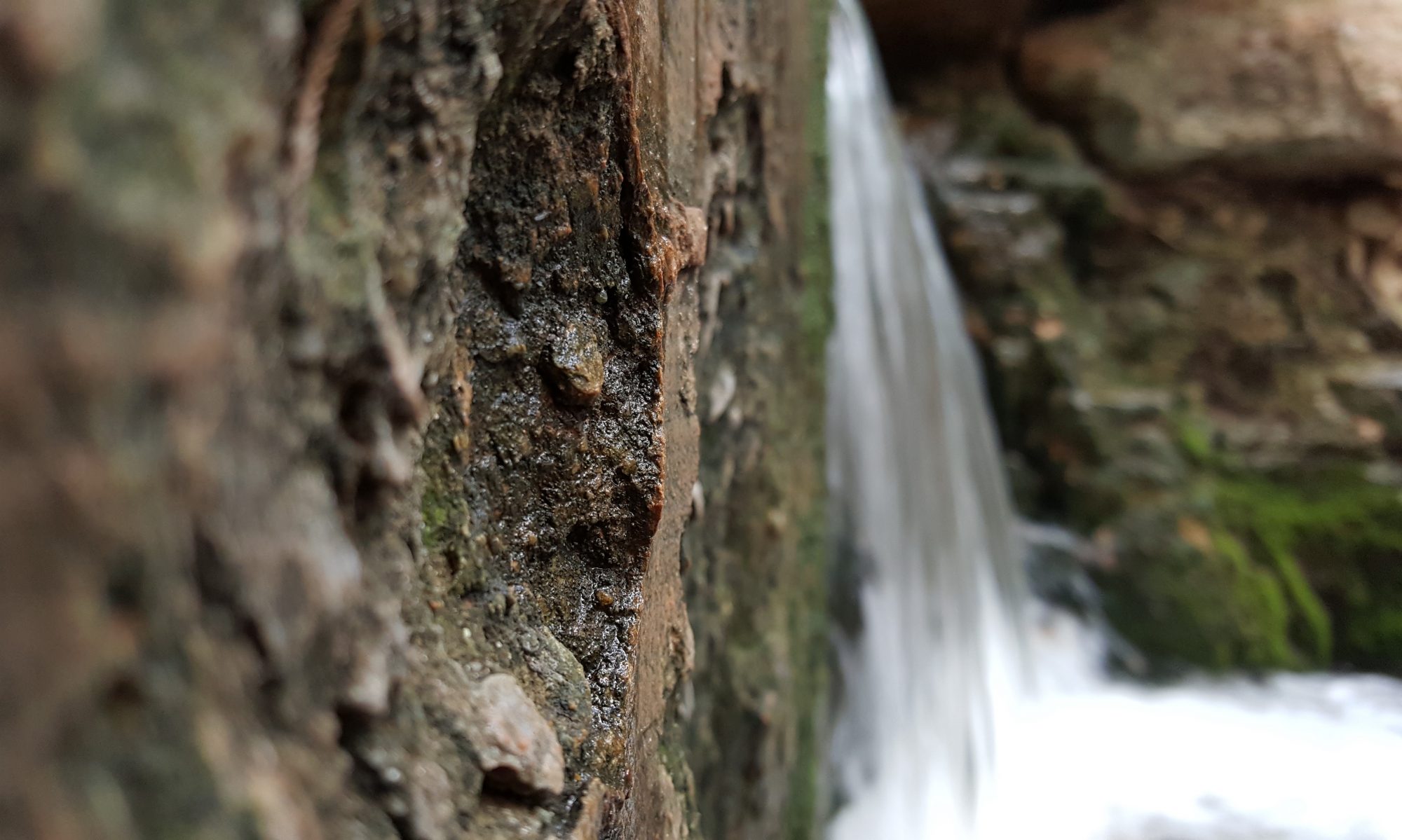


For the same reasons that Henry Wordsworth Longfellow is criticized, I like him. Popular opinion of him in his day said that his worst poetry was written with “his natural sentiment, affirmative spirit, and moral earnestness” which was tagged as “mawkish sentimentality, too-easy optimism, and sententious moralizing.”
His writings strike me as distinctly American. I appreciate those same feelings, that same enthusiasm, and the similar righteous passion found in many of his poems.
I have no official credulity in literature, but I like what I can understand. Longfellow was too “preachy” to be considered a great poet, yet that is exactly why I am drawn to his work. Some of his poems were even considered “Songs of Principle.” That preachiness and principle-rich thought leads you to at least consider the rightness of his topics, rather than trying to observe beauty without boundary.
Here is a meditation whose tone strikes a chord with my own view of being ‘halfway done.’ The view from midlife behind and before Longfellow titled, Mezzo Cammin, The Middle of the Road.
Half of my life is gone, and I have let
   The years slip from me and have not fulfilled
   The aspiration of my youth, to build
   Some tower of song with lofty parapet.
Not indolence, nor pleasure, nor the fret
   Of restless passions that would not be stilled,
   But sorrow, and a care that almost killed,
   Kept me from what I may accomplish yet;
Though half-way up the hill, I see the Past
   Lying beneath me with its sounds and sights,--
   A city in the twilight dim and vast,
With smoking roofs, soft bells, and gleaming lights,--
   And hear above me on the autumnal blast
   The cataract of Death far thundering from the heights.
“As for man, his days are as grass: as a flower of the field, so he flourisheth.
Psalms 103:15-16
For the wind passeth over it, and it is gone; and the place thereof shall know it no more.”
Discover more from Spiritual Reload
Subscribe to get the latest posts sent to your email.
